
Color can completely change the personality of a braid, loc, ponytail, or wig. The same texture in black, warm brown, blonde, burgundy, or an ombre blend can look like an entirely different style. Instead of choosing a shade at random, decide first whether your goal is blending, dimension, or contrast.
Natural shades: easiest to coordinate
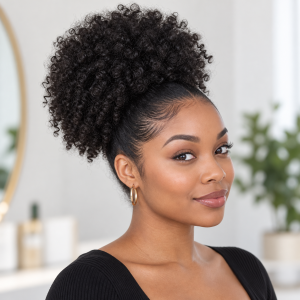
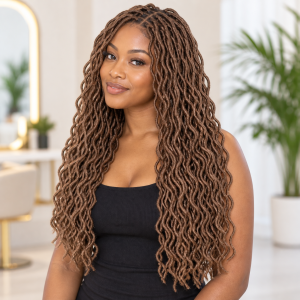
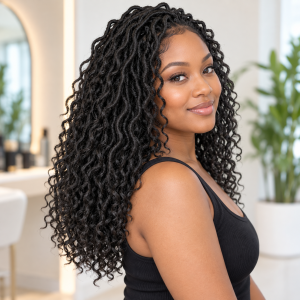
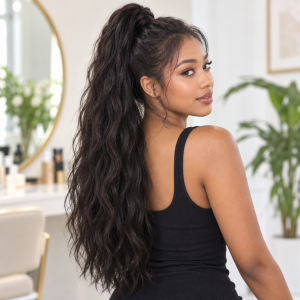
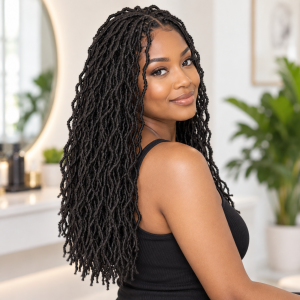
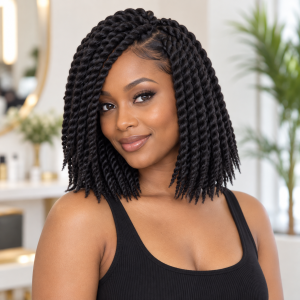
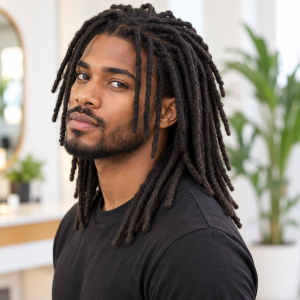
Black, off-black, dark brown, and medium brown are versatile because they pair easily with everyday clothing and makeup. If you want the extension hair to blend closely with your natural roots, start in this range.
Natural does not have to mean flat. Mixing nearby brown tones can create subtle dimension without making the color the main focus.
Ombre: color without changing the root
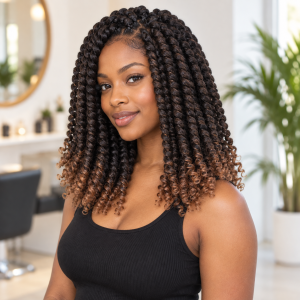
Ombre hair keeps one shade near the top and transitions into another shade through the length. This is useful when you want a brighter color but still want the root area to feel grounded.
For braids and locs, ombre can also make the texture more visible because the color transition highlights the length of each piece.
Blended colors create depth
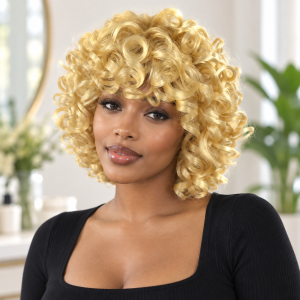
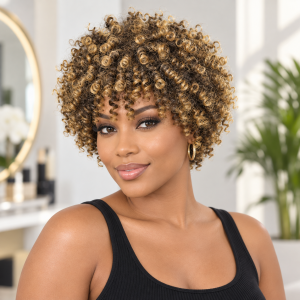
Two-tone and multi-tone blends can look more dimensional than a single solid shade. Brown mixed with blonde, black mixed with burgundy, or several warm tones together can keep a full hairstyle from looking visually flat.
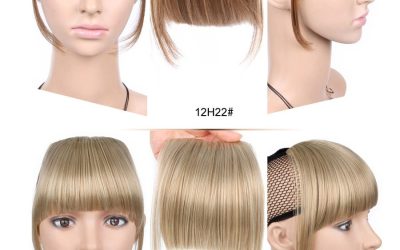
When choosing a blend, look at the full product image rather than relying only on the color code. The proportion of each shade matters.
Bold shades work best when they are intentional
Blue, purple, pink, red, and other vivid shades can be the centerpiece of the hairstyle. If you want a bold color but are not ready for a full head of it, use the shade as an accent or choose an ombre option that introduces it gradually.
Consider the texture
Color reads differently on straight and highly textured hair. Curly and twisted fibers catch light from multiple angles, which can make highlights and blends appear more dimensional. Straight hair shows transitions and color blocks more clearly.
Use product photos as your reality check
Color names and codes are useful, but screens and lighting can affect how shades appear. Review multiple product photos whenever possible, especially if exact matching is important.
Build the whole look
Think about the clothing, makeup, and accessories you wear most often. Hair color does not need to match everything, but it should feel like a deliberate part of the look. A shade you love in isolation should still work with your everyday style.
Explore color options across braiding hair, wigs, and other styles at Opulent Enterprise.
Use contrast on purpose
High contrast draws the eye immediately. Black roots fading into blonde, burgundy, or bright color make the transition part of the hairstyle. Low contrast is more subtle—for example, dark brown shifting into caramel or medium brown.
If you want color but still need the style to work in conservative settings, lower-contrast blends are often easier to wear every day.
Repeat a color somewhere else in the look
A hair shade can feel more intentional when it connects with another detail: earrings, makeup, a scarf, or clothing. You do not need an exact match. Repeating the warmth or coolness of the color is often enough to make the whole look feel coordinated.
When in doubt, buy for the root first
For braids, locs, and ponytails, the area nearest your natural hair is usually where blending matters most. If you like a bold shade but are unsure about the transition, choose an ombre or blended option that begins close to your root color.
Explore the collection at Opulent Enterprise →
Affiliate disclosure: Opulent Enterprise may earn a commission from qualifying purchases made through product links, at no additional cost to you.





0 Comments