
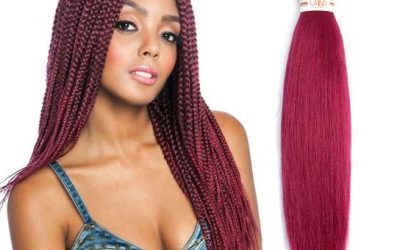
Synthetic braids and faux locs are designed to hold a style, but they still respond to friction, tangling, buildup, and rough handling. A few simple habits can help the hairstyle keep its shape and stay easier to manage.
Reduce friction while you sleep
Nighttime friction is one of the fastest ways to roughen the surface of synthetic hair. Use a satin scarf, bonnet, or pillowcase and gather long styles loosely so they are not trapped under your shoulders while you sleep.
For locs and long braids, avoid pulling them into an extremely tight nighttime ponytail. The goal is containment, not tension.
Keep product use light
Synthetic fibers do not absorb product the way natural hair does. Heavy creams and oils can sit on the surface, attract lint, and make the style look dull. Apply scalp products where they are needed rather than coating the entire length of the extensions.
Separate tangles gently
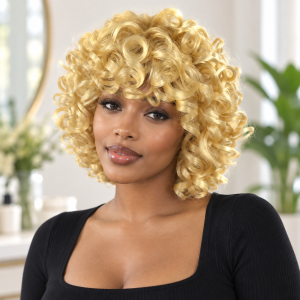
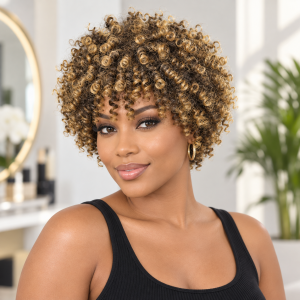
When loose or curly ends begin to tangle, use your fingers first. Work on a small section instead of dragging a brush through the entire style. For obvious knots that cannot be separated, careful trimming may look cleaner than repeatedly pulling on the fiber.
Pay attention to the hairline
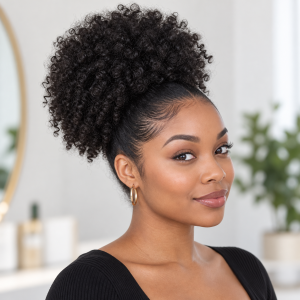
Repeatedly pulling braids or locs into tight buns can put extra stress on the front sections. Alternate between up and down styles and keep ponytails comfortable. If an individual braid is pulling, repositioning the style is better than ignoring the tension.
Clean the scalp without soaking the style in product
Your normal scalp needs do not disappear under a protective style. Choose a cleaning approach that works for you and avoid leaving heavy residue behind. If the style gets wet, allow it to dry thoroughly rather than keeping damp synthetic hair bundled up.
Trim visible fuzz instead of fighting the entire style
A small amount of surface fuzz is normal over time. You do not need to redo every braid because a few sections look worn. Carefully trimming obvious stray fibers can refresh the appearance, especially around the ends.
Know when the style has done its job
A protective style is not meant to stay installed indefinitely. When the natural hair has grown out significantly, the base is difficult to clean, or the style is no longer comfortable, it may be time to remove it.
Protective styling works best when the installation, maintenance, and removal are all handled with care.
When you are ready for the next look, explore braids, twists, crochet hair, and loc-inspired styles at Opulent Enterprise.
Refresh strategically instead of reworking everything
The hairline and part are usually the first areas people notice. If the style is still comfortable and healthy underneath, focusing on those visible sections can make the overall look feel fresher without manipulating every braid or loc.
Be careful with heat
Some synthetic fibers are labeled heat-resistant, but that does not mean every braid, curl, or loc should be exposed to styling tools. Follow the product’s specific instructions. When heat is not required, finger shaping and gentle separation are safer ways to refresh the style.
Watch for buildup at the base
Repeated applications of thick gel, edge product, and oil can collect around the roots. Use only what you need. A clean-looking base often makes the entire style appear newer, while buildup can make even freshly installed hair look dull.
Explore the collection at Opulent Enterprise →
Affiliate disclosure: Opulent Enterprise may earn a commission from qualifying purchases made through product links, at no additional cost to you.






0 Comments