
The look of a braid style starts with the hair you install, but the comfort of the style starts with the hair underneath it. Taking time to prepare before an appointment or at-home install can make the process smoother and help you avoid starting a long-term style with unnecessary tangles, buildup, or tension.
Start with clean hair and scalp
Wash according to what works for your hair and scalp. The goal is to begin the style without heavy buildup. If you regularly use oils, gels, or edge products, make sure those areas are cleaned well before braiding.
Protective styling does not mean the scalp stops needing care, so beginning with a clean base is simply practical.
Condition and detangle thoroughly
Detangle before the braiding process begins. Trying to remove knots section by section during an install adds time and can create unnecessary pulling. Work gently, especially at the ends, and use the conditioning routine that normally leaves your hair manageable.
Stretch only if it makes sense for the style
Some stylists prefer working on stretched hair because it can make sectioning easier. That does not mean you need excessive heat. Choose a method appropriate for your hair and the style you are installing.
Choose the added hair before appointment day
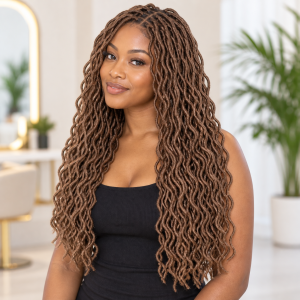
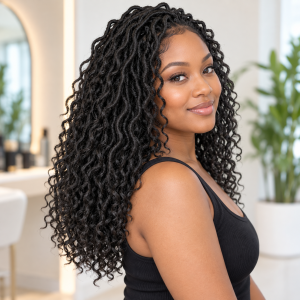
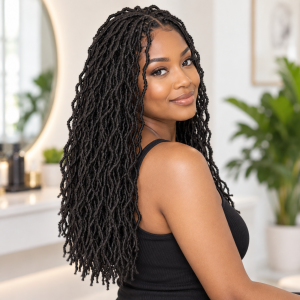
Know the length, color, and texture you want before you sit down to braid. If you are using pre-stretched braiding hair, the tapered ends may reduce some preparation time. For twist or loc styles, the texture of the extension hair has an even bigger impact on the finished look.
Bring enough hair—but do not assume more is always better
Running out of hair halfway through an install is frustrating, but using every pack simply because you bought it can make the style heavier than necessary. The amount needed depends on braid size, length, density, and the product itself.
Talk about tension before the style starts
Protective styling should not require extreme tightness. If a braid feels painfully tight while it is being installed, say something. Hairline sections deserve special care because they are smaller and often more delicate.
Plan your nighttime routine in advance
Have a scarf, bonnet, or satin pillowcase ready before the first night. Long braids may need to be gathered loosely so they do not pull while you sleep. Planning this before the install means you are not improvising at bedtime with a brand-new style.
A good protective style should fit your life
Think about work, workouts, hats, sleep, and how often you put your hair up. The right braid length and fullness should work with those routines, not fight them.
Browse braiding hair at Opulent Enterprise while planning your next protective style.
Do not experiment with a brand-new routine the night before
Braid-prep day is not the ideal time to test a heavy new product or technique you have never used. Stick with cleansing and conditioning methods you already know your hair responds to well. The goal is manageable hair and a comfortable scalp, not a complicated pre-install ritual.
Set aside the hair and accessories together
Keep the extension hair, color choices, edge tools, clips, and anything else needed for the install in one place. If several colors are being blended, separate them before the appointment starts. That makes the styling process smoother and helps avoid last-minute substitutions.
Protective does not mean maintenance-free
Plan how you will clean your scalp, protect the braids at night, and manage new growth before installation day. A style is easier to maintain when the routine is decided in advance instead of waiting until the braids begin to look worn.
Explore the collection at Opulent Enterprise →
Affiliate disclosure: Opulent Enterprise may earn a commission from qualifying purchases made through product links, at no additional cost to you.





0 Comments